
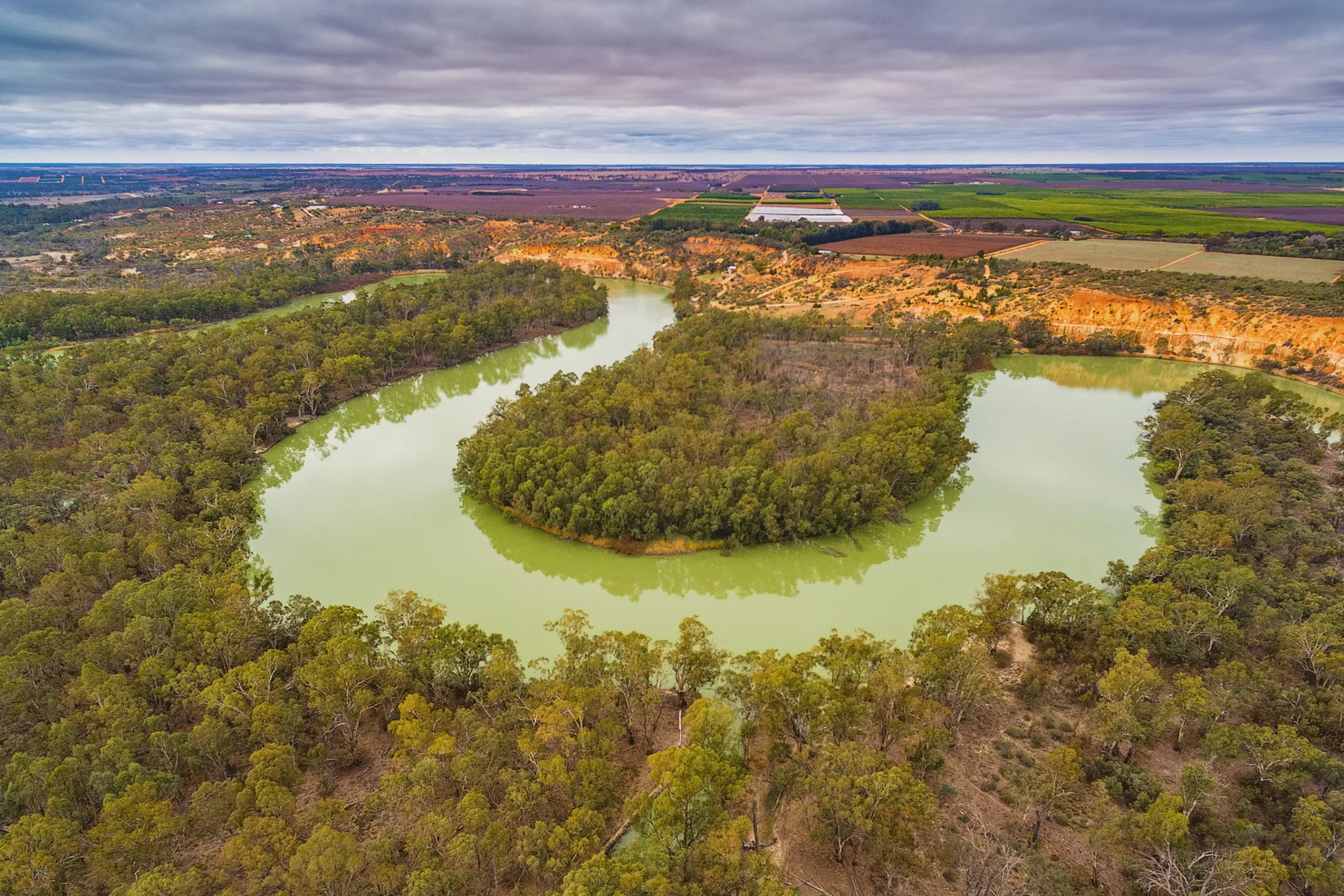
Water brokers, exchange platforms, and trading advisers operating in the Murray- Darling Basin are undertaking major compliance overhauls as the Australian Competition and Consumer Commission’s (ACCC) Water Markets Intermediaries Code (“the Code”) comes into full force, reshaping governance standards across the industry.
The reforms—officially commencing on 1 October 2025—introduced new, mandatory obligations for market intermediaries. These cover conflict‑of‑interest, transparency, trust accounting, broking account management and disclosure, and rigorous long‑term record‑keeping requirements.
Industry participants say the new standards represent the most significant regulatory shift in water market oversight in more than a decade, signalling a heightened focus on transparency and client protection.
New Conflict‑of‑Interest Transparency Measures
Under the strengthened framework, intermediaries must now warn clients before any transaction that:
- certain information may be restricted from disclosure to either party,
- advice cannot be given where it conflicts with the interests of another client, and
- any conflict of interest must be promptly disclosed to all affected parties.
Where a conflict cannot be adequately managed, intermediaries are expected to adhere to the Code’s elevated standards—aimed at safeguarding market integrity and maintaining client trust in an increasingly scrutinised trading environment.
Trust Account Requirements for Client Funds
The ACCC has also rolled out detailed trust account requirements for intermediaries handling client funds associated with water rights transactions.
Under the new rules, intermediaries must:
- notify the ACCC upon opening any trust account,
- appoint an eligible external auditor within three months,
- maintain comprehensive client‑specific ledgers, and
- prepare annual trust account statements, retaining all associated records for at least six years.
Trust accounts must be used exclusively for client money and cannot be mixed with the intermediary’s own funds. Any interest earned must be returned to the client unless another arrangement is formally agreed.
Broking Account Obligations for Water Rights Transfers
In addition to trust account obligations, brokers facilitating the transfer of water rights must now maintain a dedicated broking account. This mechanism functions as a temporary holding facility for water rights during transactional processes.
New obligations require intermediaries to:
- formally notify the ACCC of their broking account arrangements,
- prepare annual broking account statements within three months of the financial year’s end,
- keep detailed client‑level records of all water right movements, and
- store transaction lists, instructions, matched trade data, complaints records, and other documentation for a minimum of six years.
Regulators say the broking account framework is designed to minimise improper transfers, ensure water rights are moved only to entitled recipients, and strengthen auditability across the trading system.
As the Code’s requirements take hold, industry observers expect significant system upgrades, revised client procedures, and increased legal oversight across brokerage operations. The ACCC has indicated it will monitor compliance closely during the transition period.
With deep expertise in Australian water law and experience advising on Murray–Darling Basin regulatory frameworks, Morgan + English are uniquely placed to assist intermediaries, irrigators, corporations, and advisory groups navigating the ACCC’s evolving compliance landscape. We provide specialist guidance across all aspects of water rights, trading, governance, and regulatory compliance nationwide.
Please contact our Land, Home + Water team via wayne@morganenglish.com.au or jacki.o@morganenglish.com.au for more information on how we can assist you.