
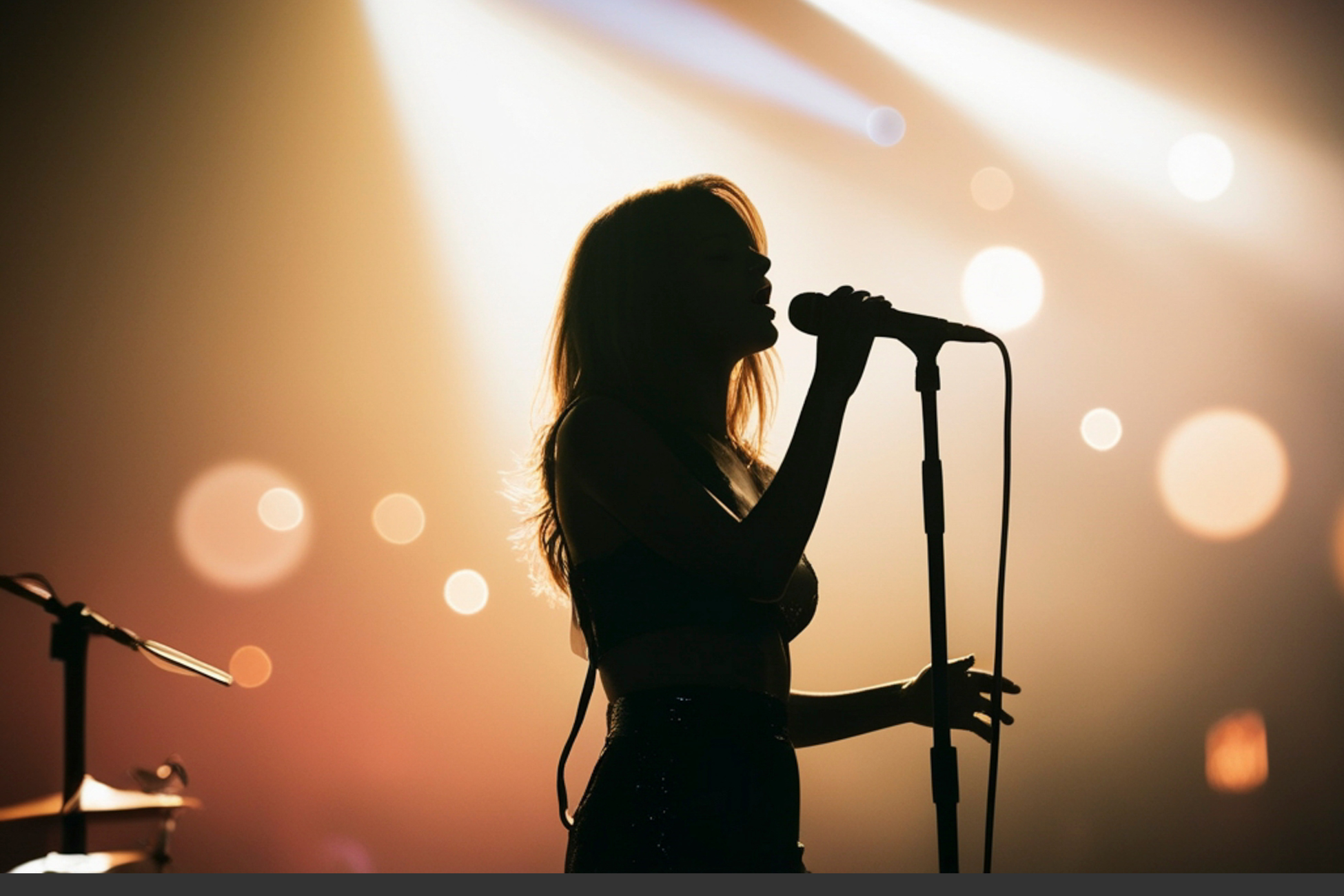
Taylor Swift is taking new steps to protect her identity in this new era of artificial intelligence.
On 24 April 2026, Swift’s company filed three trade mark applications in the United States. Two of those applications relate to sound marks of Swift saying “Hey, its Taylor” and “Hey, its Taylor Swift” and the third, an image of her holding a pink guitar during her Eras Tour.
These filings come amid growing concerns about AI-generated content that replicates celebrities’ voices and images without their consent. Swift has previously been targeted by AI deepfakes, including fabricated political endorsements during the 2024 US presidential election.
Swift’s move follows actor Matthew McConaughey’s successful trade mark registration for his famous catchphrase, “Alright, alright, alright”.
The Rise of Deepfakes
Deepfakes are AI-generated images, videos or audio recordings created using deep learning technology. By analysing photographs, videos and recordings, AI has the ability to generate media that appears authentic despite never having occurred.
Why Trade Marks Matter
Traditionally, trade marks have been used to protect logos, brand names and slogans. Increasingly, however, celebrities are seeking protection for more personal aspects of their identity, including voices, catchphrases and distinctive images.
A registered trade mark may assist where an AI-generated voice, image or phrase is used in a way that creates the impression that a celebrity has endorsed or approved a product or service.
However, trade mark protection has limits. It does not give a person ownership of their entire voice or likeness, nor does it prevent every imitation. Instead, it provides protection in specific commercial contexts where a registered mark is being used.
The Limits of Existing Intellectual Property Laws
AI presents unique challenges because existing intellectual property laws were not designed to deal with fake content.
Copyright law protects original works such as songs, photographs and sound recordings. However, it generally protects the work itself rather than a person’s voice, appearance or style. This means AI-generated content may imitate an artist without directly copying an existing protected work.
The decision in CBS Records Australia Ltd v Telmak Teleproducts Pty Ltd highlighted this distinction. While the case involved “sound-alike” recordings rather than AI, it demonstrated that imitating a sound does not necessarily amount to copying a protected recording.
Australian courts have recognised that celebrities may have some protection against unauthorised commercial use of their identity through passing off and consumer protection laws. In 10th Cantanae Pty Ltd v Shoshana Pty Ltd, the Federal Court considered the circumstances in which a person’s reputation and identity may be protected from misleading commercial exploitation.
Australia’s Position
Unlike the United States, Australia does not recognise a broad standalone “right of publicity” that gives individuals control over the commercial use of their image, likeness or voice.
Instead, public figures typically rely on a combination of:
- trade mark law;
- copyright law;
- passing off;
- the Australian Consumer Law; and
- privacy and online safety protections.
Recent cases also demonstrate the growing legal focus on AI-generated content. In eSafety Commissioner v Rotondo (No 3), the Federal Court considered the misuse of AI-generated deepfake images and videos involving Australian public figures. While the proceedings were brought under online safety legislation rather than intellectual property laws, they highlighted the significant harms that deepfakes can cause.
AI and the Future of Intellectual Property
Australian courts are already grappling with broader questions about AI and intellectual property ownership.
In Commissioner of Patents v Thaler (2022), the Full Federal Court confirmed that an inventor under the Patents Act 1990 must be a natural person and that an AI system cannot be named as an inventor.
Australia’s intellectual property laws were largely drafted on the assumption that humans create, own and control intellectual property. AI is increasingly testing those assumptions.
Looking Ahead
Taylor Swift’s trade mark applications highlight how celebrities and businesses are adapting to a rapidly changing digital environment. While trade marks may provide an additional layer of protection against AI impersonation, they are not a complete solution.
If you have questions about trade marks, copyright, privacy or AI-related intellectual property issues, our IP, Tech + Compliance team can assist. Please contact Ersel at ersel@morganenglish.com.au